From my bookshelf
The Lottery
The Lottery
A sunny June morning, a friendly village, a yearly drawing everyone turns up for. Read it in one sitting, before anyone tells you how it ends.
More shops
Why it’s on my shelf

Why The Lottery is on my shelf
Everyone in this village is pleasant. The children are just out of school for the summer, the men talk about planting and rain, and a woman hurries into the square drying her hands, because she forgot what day it was. The story never raises its voice, not even on the last page.
- For you if
- you have ever gone along with something because everyone around you did, and only asked why much later.
- What it does
- It sends you straight back to page one. The sunshine, the small talk, the boys piling up stones in a corner of the square: it was all there from the start, and you walked right past it.
My copy’s margins
The Lottery, the last page
Spoiler · the last page
The Lottery, the last page
The words stay in the book. This story is still under copyright, so you get my pencil marks and not the page.
not one person in the square says no.
Now reread page one. The stones are already there.
What I underlined, where I stopped, what I’d argue about.
Things I looked up halfway through
because I couldn’t stop wondering
Two dates, one story
The New Yorker: 26 June 1948
→ the village draws on 27 June
The issue was dated the day before the lottery in the story. Readers were holding it just as that date came round.
FORWARDED TO NORTH BENNINGTON VERMONT
10 TO 12 LETTERS A DAY STOP
Tessie Hutchinson = Anne Hutchinson, banished from Massachusetts in 1638. Not a coincidence.
- 1 morning
- how long Jackson said it took her to write. Her biographer Ruth Franklin has her doubts.
- 10–12
- letters a day forwarded to her that summer, by her own count. Some readers cancelled their subscriptions.
- 1
- country that banned it: the Union of South Africa.
she wrote it in a morning. the mail took all summer.
The black box is splintered and faded, and nobody wants to make a new one. The village keeps using it anyway.
→ the whole story in one objectGet your own copy
The Lottery
it comes with 24 more stories. read this one first.
If you loved The Lottery, you’ll also love…
three from my own shelfLolita
A narrator so charming you nod along for pages before you notice what you’ve agreed to.
My recommendation → Gabriel García MárquezOne Hundred Years of Solitude
Another village where the strangest things become routine, and nobody thinks to ask why.
My recommendation → F. Scott FitzgeraldThe Great Gatsby
Hundreds of guests at every party, almost nobody at the funeral. A crowd turns out to be no one in particular.
My recommendation →Quick facts about The Lottery
- First published
- 26 June 1948, The New Yorker
- Form
- Short story, read in one sitting
- Setting
- A village square, the morning of 27 June
- Author
- Shirley Jackson (1916–1965)
- Collected in
- The Lottery and Other Stories (first in book form 1949)
- ISBN (FSG Classics paperback)
- 978-0374529536
- Reader mail
- The most The New Yorker had ever had for fiction
- Banned
- In the Union of South Africa
Some readers cancelled their subscriptions. Others wrote in to ask where the village was, so they could go and watch.
READ
Read it where it first appeared
The New Yorker keeps the story in its online archive. It’s short enough to read over one cup of coffee.
Before you buy
Three questions people ask first
Is The Lottery hard to read?
No. It’s a short story, and most people finish it in one sitting. The sentences are plain; the weight is in what nobody in the village says out loud.
Can I read The Lottery online?
Yes. The New Yorker, where the story first appeared on 26 June 1948, keeps it in its online archive. If you want it on paper, it’s in The Lottery and Other Stories.
Which edition should I buy?
The Lottery and Other Stories (FSG Classics, ISBN 978-0374529536). It has the story plus 24 others, and it’s the only collection of her stories published during Shirley Jackson’s lifetime.
More questions about the story
What is The Lottery by Shirley Jackson about? (contains spoilers)
A small village of about three hundred people gathers in its square on a sunny June morning for a yearly drawing that everyone takes part in. The story follows the preparations and the drawing step by step, and only at the very end reveals what the person chosen receives: they are stoned to death by their neighbours.
Who wrote The Lottery?
Shirley Jackson, an American writer best known for this story and for The Haunting of Hill House (1959). She was born in San Francisco in 1916, grew up in California, and lived most of her adult life in North Bennington, Vermont, where she died in 1965.
What is the theme of The Lottery?
The main theme is the danger of following tradition without asking why. The villagers no longer remember what the lottery was for, but they keep it going because it has always been done. Closely linked themes are conformity, scapegoating and the violence that ordinary people will take part in when everyone around them does.
When was The Lottery written and published?
Jackson wrote it in 1948, and it was first published in The New Yorker on 26 June 1948. It appeared in book form in 1949, in her collection The Lottery, now sold as The Lottery and Other Stories.
Where and when does The Lottery take place?
In a small, unnamed farming village, in the square between the post office and the bank, on the morning of 27 June. The year is never given, but the details point to a rural American town around the time the story was written.
Why does the village hold the lottery?
Nobody in the story really knows anymore. Old Man Warner repeats an old saying that ties the lottery to a good harvest, but most of the original ritual has been forgotten. The village keeps it going out of habit, which is the point of the story.
Who are the main characters in The Lottery?
Tessie Hutchinson, who arrives late and protests; her husband Bill and their children; Mr. Summers, who runs the lottery; Mr. Graves, the postmaster who helps him; Old Man Warner, the oldest man in the village; and neighbours such as Mrs. Delacroix and Mrs. Dunbar. Tessie is usually seen as the protagonist.
Who is Mr. Summers in The Lottery?
Mr. Summers runs the coal business and organises the village’s civic events, including the lottery. He is cheerful and friendly, and his sunny name fits the June morning. That is what makes him unsettling: the ritual is led by the most ordinary, likeable man in town.
Who dies in The Lottery? (contains spoilers)
Tessie Hutchinson. Her family is drawn first, then she draws the slip with the black spot, and the villagers, her own family among them, stone her to death.
What is the climax of The Lottery? (contains spoilers)
The moment Tessie’s slip is shown to the crowd and it carries the black spot. Everything after that happens in a few lines, which is why the ending hits so hard.
What is the conflict in The Lottery? (contains spoilers)
The central conflict is the individual against society and tradition. Tessie objects only once she is chosen, and her protest is about the fairness of the drawing, not about the custom itself.
Why did Shirley Jackson write The Lottery?
In a reply to readers in the San Francisco Chronicle in July 1948, she said she had set an ancient, brutal rite in the present and in her own village to shock readers into seeing the pointless violence and cruelty in their own lives.
Why is Mrs. Dunbar drawing in The Lottery?
Her husband Clyde has a broken leg and cannot come, and her son is not yet old enough to draw for the family, so she draws in his place.
How do the villagers treat the black box?
The box is old, splintered and faded, and every year there is talk of making a new one, but nobody does. The villagers do not want to upset even that much of the tradition, so the box stands for a custom kept going long after anyone remembers what it was for.
What does Old Man Warner symbolize?
The oldest man in the village, who has taken part in the lottery seventy-seven times, stands for blind loyalty to tradition. He scorns the towns that have given the lottery up and warns that dropping it would send people back to living in caves.
What point of view is The Lottery told in?
It is told in the third person by an objective narrator who reports what people do and say without entering anyone’s thoughts. That calm, matter-of-fact tone is what builds the tension: nothing in the telling warns you what is coming.
Is The Lottery based on a true story?
No. The village is invented. Jackson lived in North Bennington, Vermont, and said she had set the ancient rite in the present and in her own village, to bring it close to her readers.
Is The Lottery in the public domain?
No. The story is still under copyright. You can read it for free in The New Yorker’s online archive, or in The Lottery and Other Stories.
Why was The Lottery banned?
The Union of South Africa banned the story. In the United States it drew the most mail The New Yorker had ever received for a work of fiction, and some readers cancelled their subscriptions.
What genre is The Lottery?
It’s a short story, usually read as literary fiction with elements of horror. It’s often taught as a story about conformity and the danger of following tradition without question.
How long is The Lottery?
Short enough to read in one sitting. In print it takes up only a handful of pages, which is part of why the ending lands so hard.
I only put books on my shelf that I’ve read myself. This one I read in one sitting, and it stayed with me.
Lisanne x
Updated
From the bookshelf
“It was just a story I wrote.”— Shirley Jackson, when The New Yorker asked what to tell puzzled readers
One book a month, read cover to cover, with my notes from the margins.
Looking for something else to read?
These books ask the same question as The Lottery:
Why do people obey, rebel, or follow a group?
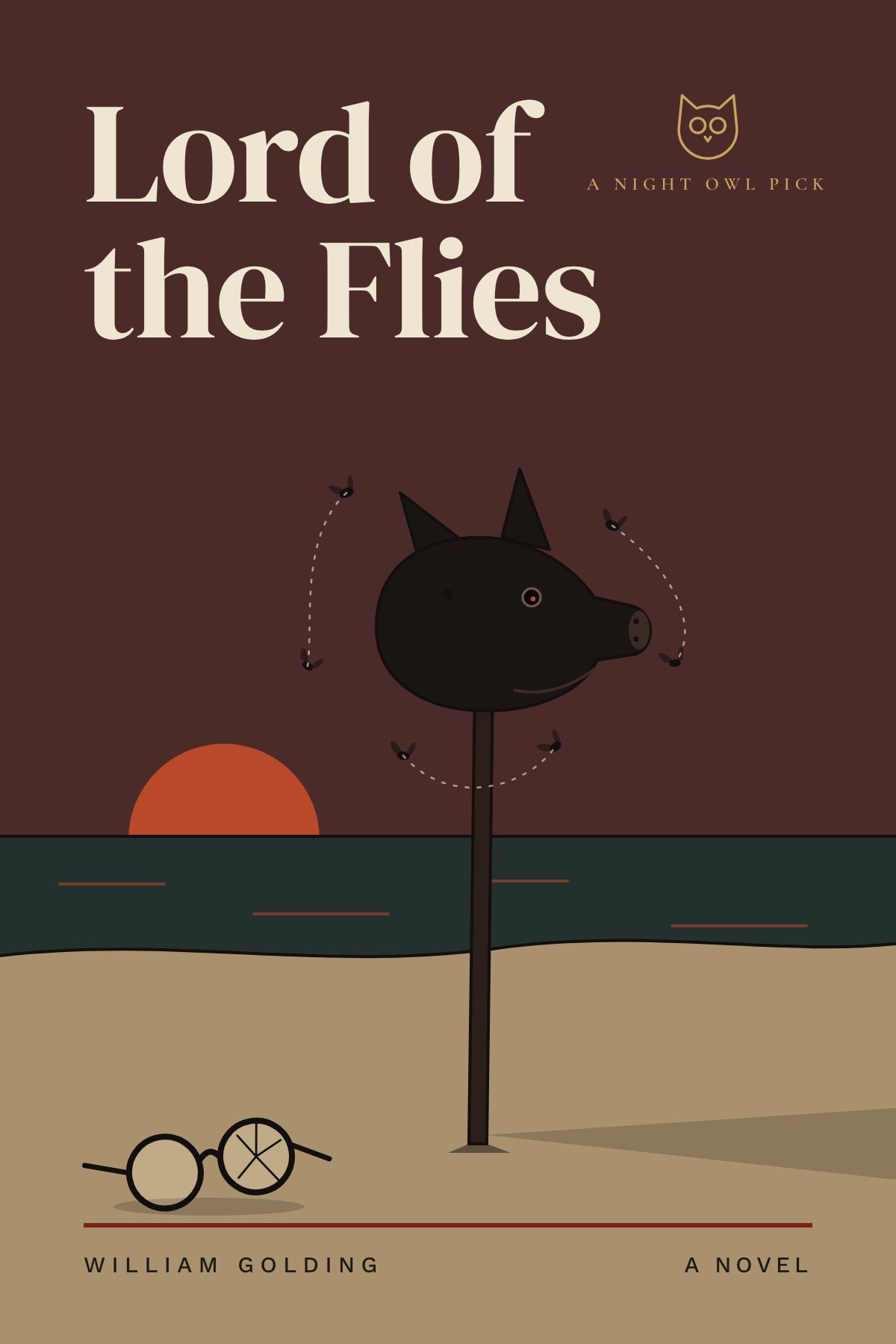
Lord of the Flies
William Golding · 1954
A plane full of schoolboys crashes on a deserted island, and the order they set up among themselves slowly falls apart.

I Am Malala
Malala Yousafzai · 2013
Raised in the Swat Valley by a father who ran a school, she spoke out when the Taliban banned girls from education, and was shot for it in 2012.

Educated
Tara Westover · 2018
Raised by survivalists in the Idaho mountains, with no school and no doctors, she first set foot in a classroom at seventeen.
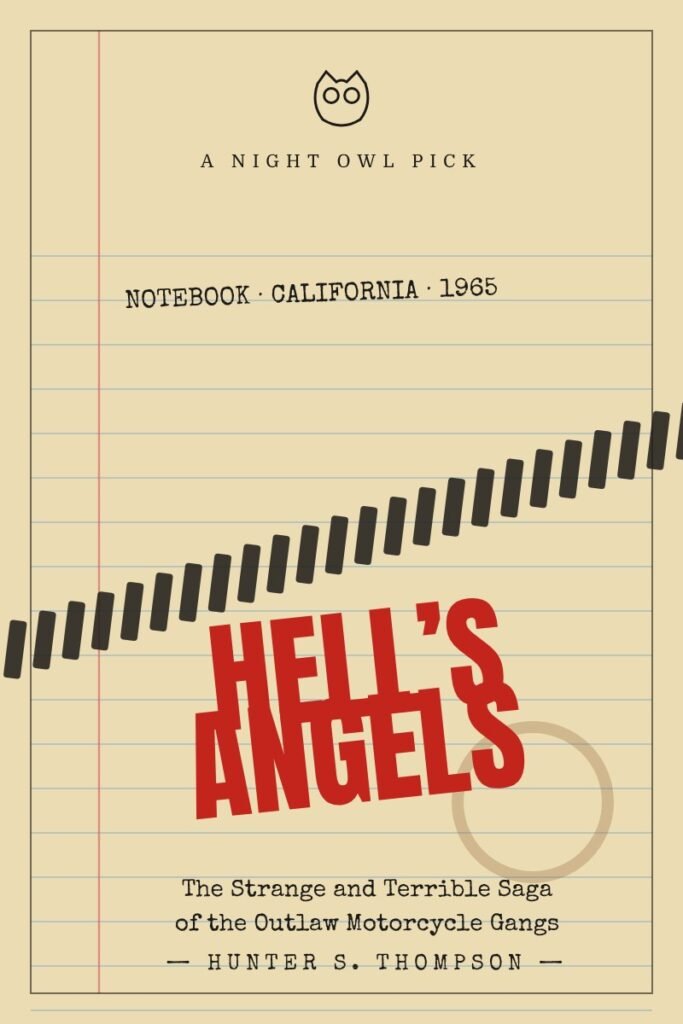
Hell’s Angels
Hunter S. Thompson · 1967
Hunter S. Thompson spent a year riding with the motorcycle club, until some of its members turned on him and beat him up.