From my bookshelf
Hell’s Angels
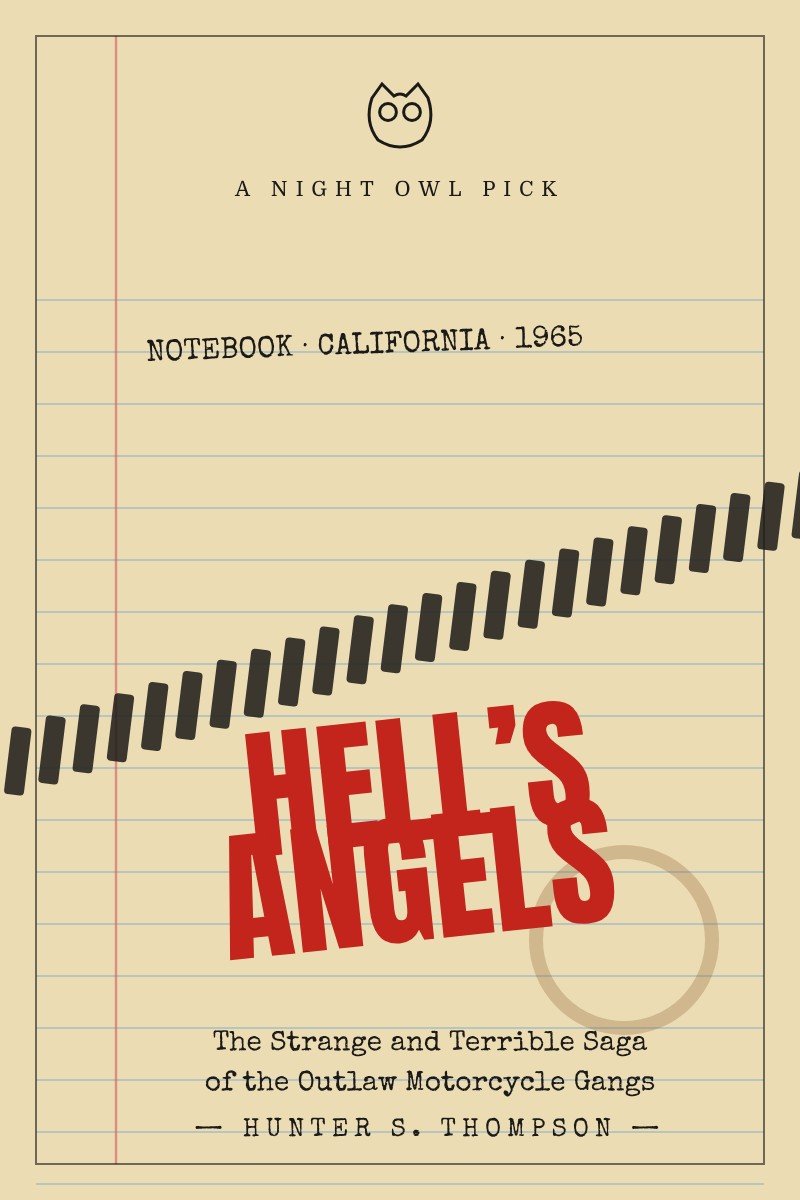
Hunter S. Thompson spent a year riding with the Hell’s Angels, and this is his account of what he saw.
More shops
The shop links on this page go straight to the shop. They are not affiliate links and I earn nothing if you buy.
a year on the road
it ended in a beating
About the book
Published in 1966, Hell’s Angels is a raw exposé of one of America’s most notorious subcultures. Hunter S. Thompson lived and rode with the Angels for a year in the mid-1960s, and through interviews with members and the people around them he shows the club’s culture, its violence and its rebellion against mainstream society.
Thompson is considered to be the founder of Gonzo journalism – a genre of its own, which helped him capture the best account we have of the truth behind the Hell’s Angels’ closed doors. A classic of New Journalism.
More in: Sociology · Non-fiction
Quick facts about Hell’s Angels
- Author
- Hunter S. Thompson
- First published
- 1966, Random House
- Full subtitle
- A Strange and Terrible Saga
- Research
- More than a year riding with the Hells Angels in California
- Place in his work
- His first book
- The club’s verdict
- A member called it trash on network TV in 1967
Categories: Non-fiction, Investigative Journalism
Listed on: Most disturbing books of all time
Share this book with others:
Awards Hell’s Angels Book has received:
Hell’s Angels: The Strange and Terrible Saga of the Outlaw Motorcycle Gangs is a book written by Hunter S. Thompson, first published in 1966. While it received critical acclaim for its immersive and often shocking exploration of the Hell’s Angels motorcycle gang, it did not win any major literary awards. However, it is considered an important work of “New Journalism” and a significant piece of American nonfiction literature. Thompson’s immersive and unconventional style of journalism influenced many writers and journalists who followed him.
About the author:
Hunter S. Thompson was an American journalist and author who revolutionised the world of journalism with his unique and unconventional style of reporting. He is best known for pioneering “Gonzo journalism,” a form of immersive, first-person journalism that blurred the lines between fact and fiction. Thompson’s fearless approach to reporting and his larger-than-life personality made him a counter-cultural icon of the 1960s and 1970s.
Early Life:
Hunter Stockton Thompson was born on 18 July 1937, in Louisville, Kentucky. He grew up in a middle-class family and developed an early interest in writing and sports. Thompson attended the prestigious Louisville Male High School, where he excelled academically and athletically, particularly in football and boxing.
Career in Journalism:
Thompson’s career in journalism began in the military, where he served in the United States Air Force as a sports editor for the base newspaper. After his military service, he worked for various newspapers and magazines, honing his distinctive style. His breakthrough came in 1967 when he published “Hell’s Angels: The Strange and Terrible Saga of the Outlaw Motorcycle Gangs,” an immersive and often dangerous firsthand account of his time spent with the notorious motorcycle gang.
Gonzo Journalism:
Thompson’s most significant contribution to journalism was the development of Gonzo journalism. This style involved the journalist becoming a central part of the story, often through a haze of drugs and alcohol, and providing a subjective, experiential account of events. His most famous work, “Fear and Loathing in Las Vegas,” published in 1971, epitomised this approach, as he and his attorney, portrayed as Raoul Duke and Dr. Gonzo, embarked on a drug-fueled journey through the American Southwest. The book is a scathing critique of the counterculture and the American Dream.
Impact and Legacy:
Hunter S. Thompson’s writing had a profound impact on journalism and popular culture. His fearless pursuit of the truth, unconventional methods, and unapologetic voice inspired a generation of journalists and writers. His work also influenced filmmakers, musicians, and artists who embraced his ethos of rebellion and anti-establishment sentiment.
Later Life and Passing:
Despite his fame, Thompson battled personal demons, including substance abuse and mental health issues, throughout his life. On 20 February 2005, at the age of 67, he tragically took his own life at his home in Woody Creek, Colorado. His death marked the end of an era in journalism and left an indelible mark on American literature and culture.
Hunter S. Thompson will always be remembered as a literary outlaw and a pioneer of Gonzo journalism. His fearless, unapologetic approach to reporting and his willingness to push boundaries continue to influence journalists and writers to this day. His legacy lives on in his works, which remain both timeless and iconic.
Extra:
- Literature Map: The site generates a map that helps find other authors you´d like. Type in author names and it displays related names based upon readers preferences.
Leave your review:

Looking for something else to read?
These books ask the same question as Hell’s Angels:
Why do people obey, rebel, or follow a group?
Lord of the Flies
William Golding · 1954
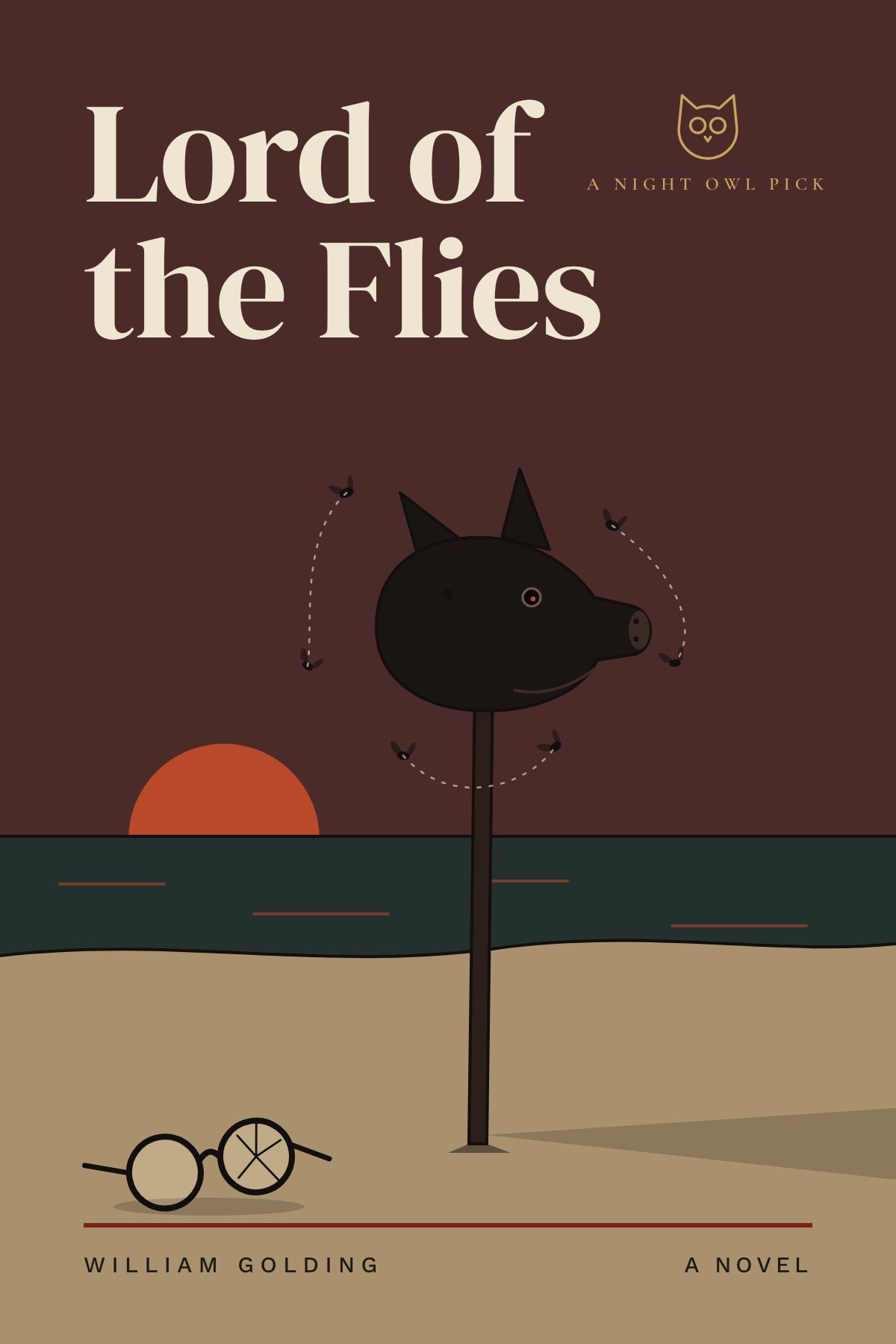
A plane full of schoolboys crashes on a deserted island, and the order they set up among themselves slowly falls apart.
The Lottery
Shirley Jackson · 1948
Every June a village gathers for its yearly lottery, a tradition it refuses to give up.

I Am Malala
Malala Yousafzai · 2013
Raised in the Swat Valley by a father who ran a school, she spoke out when the Taliban banned girls from education, and was shot for it in 2012.

Educated
Tara Westover · 2018
Raised by survivalists in the Idaho mountains, with no school and no doctors, she first set foot in a classroom at seventeen.